
Behind the Research: Why are you in the Cloud?
We were 20 minutes into the recording when Jeff's video started breaking up. But we couldn't stop—we were finally getting somewhere. After three attempts, we'd cracked what Priority Four was really about: not infrastructure planning, but one question most organizations can't answer.

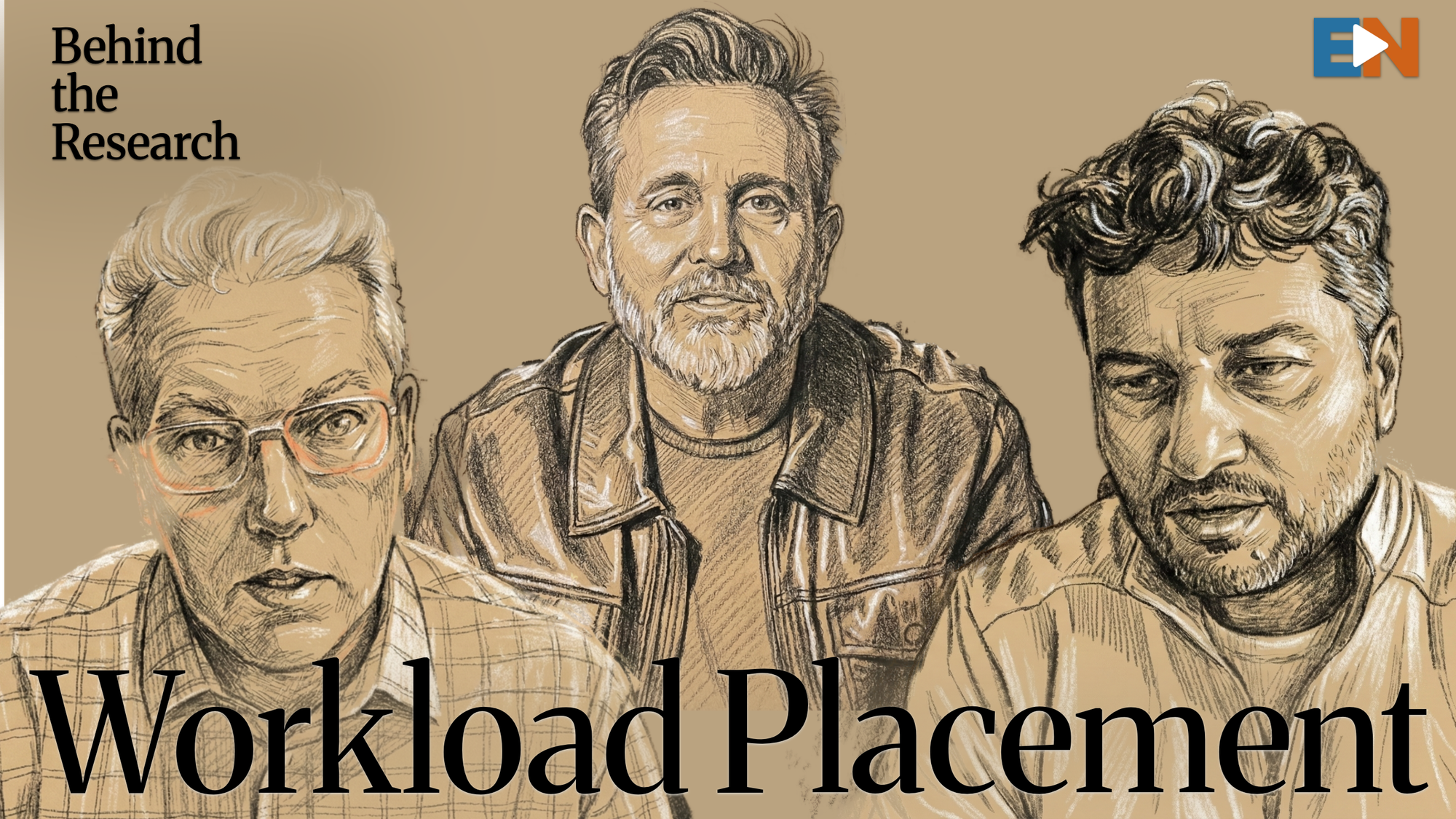
Part of the Strategic IT Value Creation series
Jeff Weeks and Devang Soni explain why infrastructure decisions can't be separated from business value—and why this is the hardest priority in the series.
We were 20 minutes into the recording when Jeff's video started breaking up.
Not just a little glitch. Full-on pixelation, audio cutting in and out, the kind of technical failure that makes everyone nervous about whether the recording is even working.
"Jeff, you're breaking up," I said. "Is it breaking up for you too, Devang?"
Devang shook his head. "No, it's fine on my end."
I made a note to check the files later. We kept going. Because that's what you do when you're an hour deep into scheduling with two managing directors who've already rescheduled once
We couldn't stop. We were finally getting somewhere.
The Question
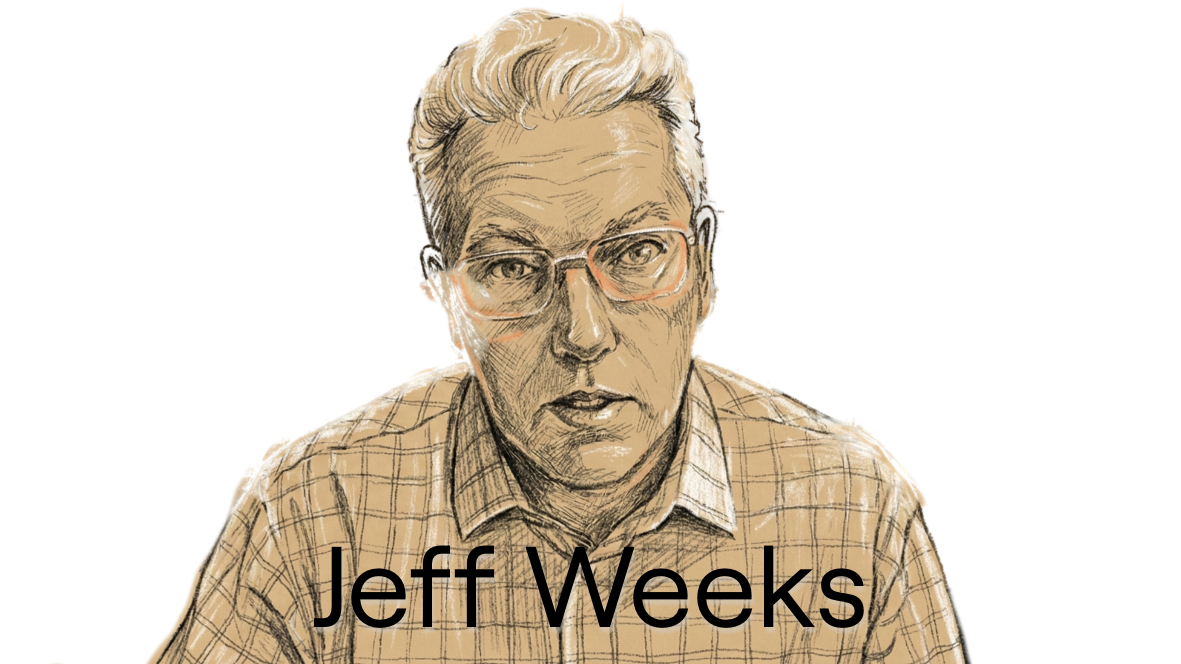
Somewhere in our conversation about Priority Four—strategic workload placement—I asked Jeff Weeks and Devang Soni what happens when a client comes to them and says "we're spending $2 million a year in cloud."
What's the first question they ask?
Jeff's answer: "Why are you in the cloud? What is it specifically about the cloud that you're trying to look at? Because a lot of our clients today, especially those that may be looking at a large spend in the cloud, those are often results of a cloud-first mentality where they were in a rush to move."
That one question—"why are you in the cloud?"—reveals everything.
Organizations migrated to cloud for reasons that no longer apply, if they ever did. And now they're stuck paying for placement decisions made under pressure three years ago.
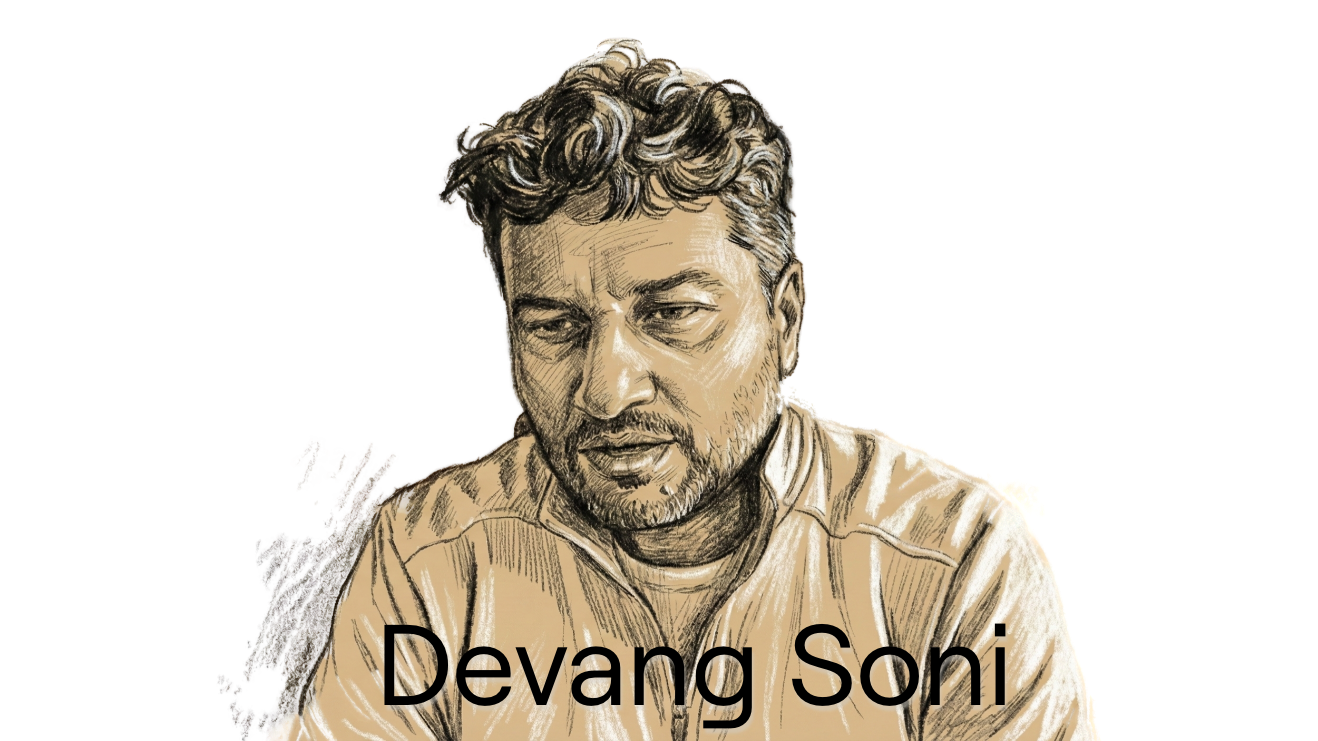
Devang added the numbers: "Clients have moved at a very fast pace to adapt to cloud. Now as their workloads are running in there over the last three to five years, they're starting to realize—they are paying two X, three X of those costs."
Two to three times projected costs. Because nobody asked "should we" before asking "can we."
The 10X Story
About 30 minutes into our recording, Jeff shared an example that made everyone pause.
"Working with one client in healthcare, they had one line of business and they moved just everything in. This application, it's a small departmental application, serves maybe a hundred people out of one hospital. And when they moved it into the cloud, its costs went up by 10X."
Ten times the cost. For 100 users.
"And there was no real reason to do that," Jeff continued. "So that's one of those conversations about, why did we move it? It was because we wanted to move to the cloud, but we really didn't understand what we're moving."
That's the problem in one story. Not "cloud costs are higher than expected." But: this specific application, serving 100 people, now costs ten times what it should because nobody asked the right questions before migration.
How many of those applications are sitting in your cloud environment right now? Small workloads that got swept up in a "lift and shift" initiative because the mandate was cloud-first, not value-first?
What Right Placement Actually Enables
Here's what made Devang's perspective valuable—he came from Accenture earlier this year, so he's seen both sides of the consulting approach.
At his previous firm, everything was about offshoring. "There is timeline differences. There is this cultural mix of things that clients have to think about. Clients are up late or up early in the morning to pick back up work from the offshore teams."
Then he shifted to WWT: "Coming to World Wide has been so refreshing from that standpoint. It is a very onshore approach to what we do. We've got people at client sites, building those relationships."
But the line that really stood out: "In the short time I have been here this year, there have been at least three to four clients that had direct business with Accenture doing those projects. And we got involved and we took over that business from Accenture."
Taking business from his former employer. That's not just confidence—that's evidence of a different delivery model working better.
And when Devang talked about building business cases, he gave me an example of the value lever: "Something that we are doing today takes us 30 days to do. Can that be automated? Can we drive things in our organization that happen within seconds versus trying to wait for 30 days?"
Thirty days to thirty seconds. That's not infrastructure optimization. That's business transformation wearing an infrastructure costume.
But you can't get to 30-day-to-30-second transformations if you're paying 10X for workload placement because you never asked "why are we in the cloud?"
Why This Is Priority Four
Workload placement isn't a standalone capability. It's the integration point for everything else.
Priority One establishes visibility into what you actually have.
Priority Two builds strategic partnerships so you're not just negotiating pricing.
Priority Three creates governance structure so improvements stick.
Priority Four applies all of that to the hardest infrastructure question: which workloads belong where based on actual value delivery?
You can't optimize what you can't see. You can't execute without the right partnerships. You can't sustain improvements without governance. And only then can you ask: where should these workloads actually live?
Jeff put it this way: workload placement requires integrated capability across all four priorities. It's not more important than the others—it's that you can't do it well without the capabilities the other three establish first.
What It Actually Takes
The recording eventually worked—Jeff's connection stabilized, we got through the material, and we captured what we needed.
But the conversation that stuck with me wasn't about technology. It was about organizational readiness.
I asked Jeff what organizations need when they're asking for help with workload placement.
His answer: "Generally where we're going to start is with the strategy. And I know that seems like a 101, but a lot of times either they have a strategy and it's outdated, or they had two strategies that weren't really well aligned."
Devang distilled it further: "At the end of the day, it is people, process, and technology. People and processes are the first two key things that we want to focus on. Technology is just binary—you're moving from one place to the other, that will happen. But the readiness of the first two parts is usually where organizations break down."
There it is again. The same theme from all four priorities in this series: the technology is the easy part. The organizational capability to use it well? That's the work.
Back to the Question
So here's where I landed after talking with Jeff and Devang: workload placement isn't really about infrastructure at all.
It's about organizational maturity. The maturity to ask better questions than "can we move this to cloud?" The discipline to ask "should we?" And the capability to act on the answer.
If a client comes to you and says "we're spending $2 million a year in cloud," the first question isn't "how do we reduce that spend?"
It's "why are you in the cloud?"
Because if you can't answer that question for specific workloads—with actual business value tied to actual capabilities—you probably shouldn't have migrated them. And if you migrated three years ago and the answer has changed, maybe it's time to reconsider.
That's the conversation Jeff and Devang are having with clients. Not "let's optimize your cloud costs." But "let's make sure you're running workloads in places that actually deliver value."
Sometimes that's cloud. Sometimes it's on-prem. Sometimes it's hybrid. But the answer starts with asking the right question.
Resources:
- Full research paper: Strategic IT Value Creation: Priority Four - Strategic Workload Placement (available at wwt.com)
- Video conversation: Watch the complete discussion with Jeff Weeks and Devang Soni
- Previous priorities: License portfolio management | Strategic partnerships | Cloud governance
This is part of the work I do with World Wide Technology's research team. More at explainerds.net.